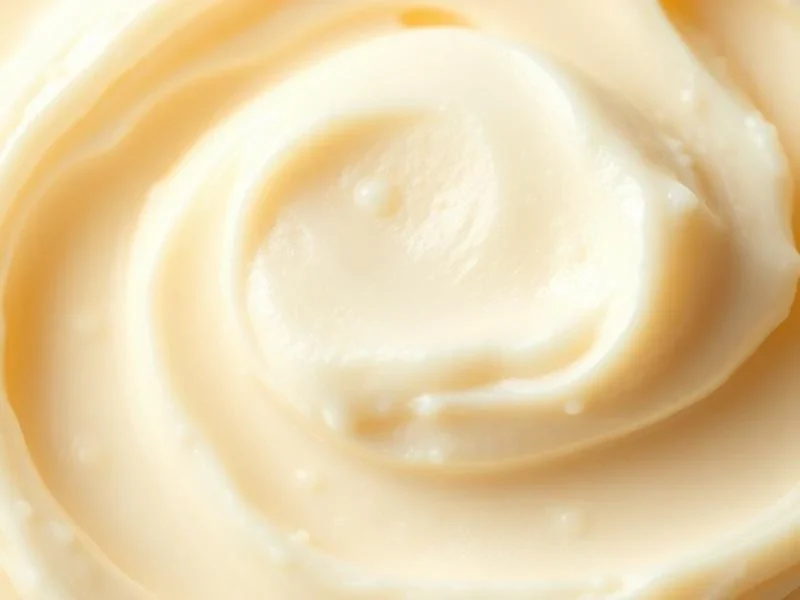
What is Beef Tallow?
Grass-fed beef tallow is the gently rendered, purified fat of pasture-raised cattle. In skincare it works as a rich, single-ingredient moisturizer whose fatty acid profile closely mirrors the oils your own skin makes. That is one reason many people find it absorbs well. People have leaned on it for generations, long before modern lotions existed.
How is it made?
Tallow is gently heated until it melts, then strained and purified until what remains is clean, shelf-stable fat — soft to the touch, neutral in scent, and close in makeup to your skin's natural oils. That closeness is why a simple tallow face cream often feels comfortable on dry, mature skin.
Beef Tallow Benefits for Skin
Here is what tallow can realistically do for dry skin and overall skin feel:
If your skin already feels tight or reactive, start with the basics of skin barrier repair before adding more active steps.
Deep Moisturization
Tallow acts as both an emollient (softening skin) and an occlusive (locking moisture in). This makes it a good fit for dry skin. Tallow holds water in but adds none, so apply it over damp skin or a water-based layer.
Skin Barrier Support
Its lipids are similar to the ones in your skin's natural barrier. A thin layer can help support that barrier and slow water loss from the surface.
Soothing Comfort for Dry, Sensitive Skin
Its cushioning, emollient feel can calm the tight, rough sensation of very dry or easily irritated skin, leaving the surface feeling comforted and supple.
Tallow suits you best when
- Your skin feels dry, tight, or never quite hydrated.
- You want fewer steps — one rich layer over a long routine.
- Lotions feel good for an hour, then your skin dries out again.
Will tallow clog your pores?
This is where individual skin differs, and experts do not agree. Many people use well-rendered tallow without trouble. But tallow is rich and occlusive, and some people do break out. If your skin is acne-prone, patch test first and introduce it slowly. See our full breakdown on tallow and pores.
Why Tallow Appeals to Skin After 40
If your skin feels drier than it used to, there is a real reason. A 2025 review in the Journal of Cosmetic Dermatology reports that sebum, your skin's own oil, drops by about 40% by a woman's 50s. Falling estrogen also leaves skin thinner, drier, and with a weaker barrier.
Tallow's main fatty acids (oleic, palmitic, and stearic) are also found in human sebum. So adding a rich layer of oil back makes sense for many women over 40. Here is our honest point: no study has tested tallow on women over 40. The appeal is logical, not proven.
Who Should Go Slow With Tallow
Tallow is not for everyone, and that is worth saying plainly. Research on tallow applied to skin is still thin. A 2024 review found few human studies, and the ones that exist disagree about irritation. A 2025 study looked at social media claims about tallow for certain skin conditions and found the evidence is not there yet.
- Acne-prone skin: Lab studies link some of the fatty acids in tallow to acne-related inflammation. Some people break out, and some do not. Patch test first. Start with a very thin layer at night on a small area.
- Oily skin: A rich, occlusive layer can feel heavy on skin that already makes plenty of oil. Use very little, or keep it for dry patches only.
- Rosacea: Rosacea skin reacts easily, and fragrance or essential oils are common triggers. Choose an unscented option, and ask your dermatologist before trying tallow.
- Eczema or psoriasis: Tallow is skincare, not a treatment. Do not replace anything your doctor prescribed with it. Skip new products during a flare, and ask your dermatologist first.
- Broken or cracked skin: Do not apply tallow to skin that is cracked, bleeding, raw, or wounded. A skincare balm is not sterile, so it does not belong there.
- Fragrance sensitivity: Many tallow balms add fragrance or essential oils for scent. These can irritate sensitive skin. If yours is sensitive, start with an unscented balm instead.
- Beef or animal allergy: If you know you react to beef or other animal products, talk with your doctor before putting tallow on your skin.
How to patch test
Apply a small amount to your inner forearm or along your jawline once or twice a day for about a week. Wait until the test area stays calm before using it on your whole face. Stop if you notice redness, itching, stinging that does not fade, a rash, swelling, or new breakouts.
When to see a dermatologist
Some situations deserve a professional's eyes rather than a new jar.
- Dryness that comes with itching, cracking, or redness that does not settle
- Breakouts that are painful, deep, or keep coming back
- A rash, swelling, or hives after applying a product
- Any skin condition you already treat with a doctor's help
Why Dermatologists Are Cautious About Tallow
Dermatologists raise real concerns about tallow, and we will not argue with them. The research on tallow itself is thin. Here are their main points, and where we agree.
Concern: Tallow is heavy and occlusive, and it can clog pores, especially on oily or acne-prone skin.
Our take: We agree. It can clog pores for some people. Patch test first and use a thin layer. If your skin is oily or acne-prone, try it on dry body spots first, or skip it. For some faces, it simply will not be the right match.
Concern: Small-batch tallow balms are not made sterile, so germs are a worry, especially on broken skin.
Our take: Fair point. Tallow balms contain no water, which makes it harder for germs to grow than in water-based creams. But a jar can still pick up germs. Scoop with clean, dry fingers or a small spatula, and never use it on broken skin.
Concern: Dermatologists caution people with rosacea, eczema, or reactive skin against trying tallow.
Our take: We agree completely. If your skin is sensitive or reactive, go slow with any new ingredient, tallow included. Patch test on a small area first, and ask your dermatologist before you try it. Your skin's comfort comes before any trend.
Concern: There are few studies of tallow itself on human skin, so claims often outrun the evidence.
Our take: Also fair. A 2024 review found few human studies, and a 2025 study found most online tallow claims lack evidence. The individual fatty acids are well studied. Tallow itself is not. We present it as a simple moisturizer for dry skin, not a treatment.
How to Use Beef Tallow in Your Routine
Application Tips
How to patch test
Apply a small amount to your inner forearm or along your jawline once or twice a day for about a week. Wait until the test area stays calm before using it on your whole face. Stop if you notice redness, itching, stinging that does not fade, a rash, swelling, or new breakouts.
Face
Apply a tiny amount on damp skin as a moisturizer or overnight treatment.
Body
Excellent for dry patches, elbows, heels, and cuticles.
Lips
Great for soothing chapped lips naturally.
Face, Elbows, or Heels: Where to Start
Your face has more oil glands than your elbows, heels, hands, or shins. That is why some dermatologists are more comfortable with tallow on dry body spots than on the face. If your face is oily or acne-prone, try tallow on dry body areas first. If your face is dry, start with a thin layer at night on damp skin, after a patch test.
Why Your Skin Feels Dry and Looks Shiny
Dry skin lacks oil. Dehydrated skin lacks water. They are different things, and tallow only helps with one of them. Tallow contains no water, so it slows water loss but cannot add water. If your skin is already low on water, a heavy layer of fat alone can leave it feeling tight underneath while the surface looks shiny. The fix is simple: apply tallow to damp skin, or over a water-based layer such as a hydrating serum. Use less, not more.
Beef Tallow vs. Other Skincare Ingredients
Tallow vs. Plant-Based Oils
- Jojoba Oil:
- Lighter, suitable for oily skin.
- Shea Butter:
- Rich and moisturizing, with a lower comedogenic (pore-clogging) rating than tallow.
Tallow vs. Lanolin & Emu Oil
- Lanolin:
- Extremely occlusive but potentially allergenic.
- Emu Oil:
- Similar moisturizing properties but lighter than tallow.
Where to Buy & What to Look For
- Quality: Opt for grass-fed, organic, and regenerative practices.
- Ingredients: Simple, transparent ingredient lists.
- Certifications: Look for purity and sustainability certifications.
DIY
- Simple to make at home using pure tallow and essential oils.
- Complete control over ingredients and scent.
Store-Bought
- Convenient and often formulated for better texture and scent.
- Look for grass-fed, organic, and ethically sourced options.
Is the Tallow Really the Problem?
Maybe not. Many tallow balms add essential oils, olive oil, or honey, and any of these can be the real cause of a reaction. The American Academy of Dermatology lists fragrance among the most common causes of allergic contact dermatitis, an itchy rash from an allergy. Essential oils count as fragrance. A 2013 study in Pediatric Dermatology found that olive oil applied to adult forearms for four weeks weakened the skin barrier and caused mild redness. Read the full ingredient list. If your skin is sensitive, start with a plain, unscented balm.
Has My Tallow Gone Off?
All fats oxidize over time, and heat, light, and air speed that up. Here is how to check a jar.
- Well-rendered tallow has little to no smell. A strong meaty smell can mean less-refined tallow or a jar going off.
- Gone-off tallow smells sharp, sour, or stale, like old crayons or paint.
- Store it with the lid on, somewhere cool and dark, and keep water out of the jar.
- Follow the use-by date, and if it smells off, do not use it on your face.
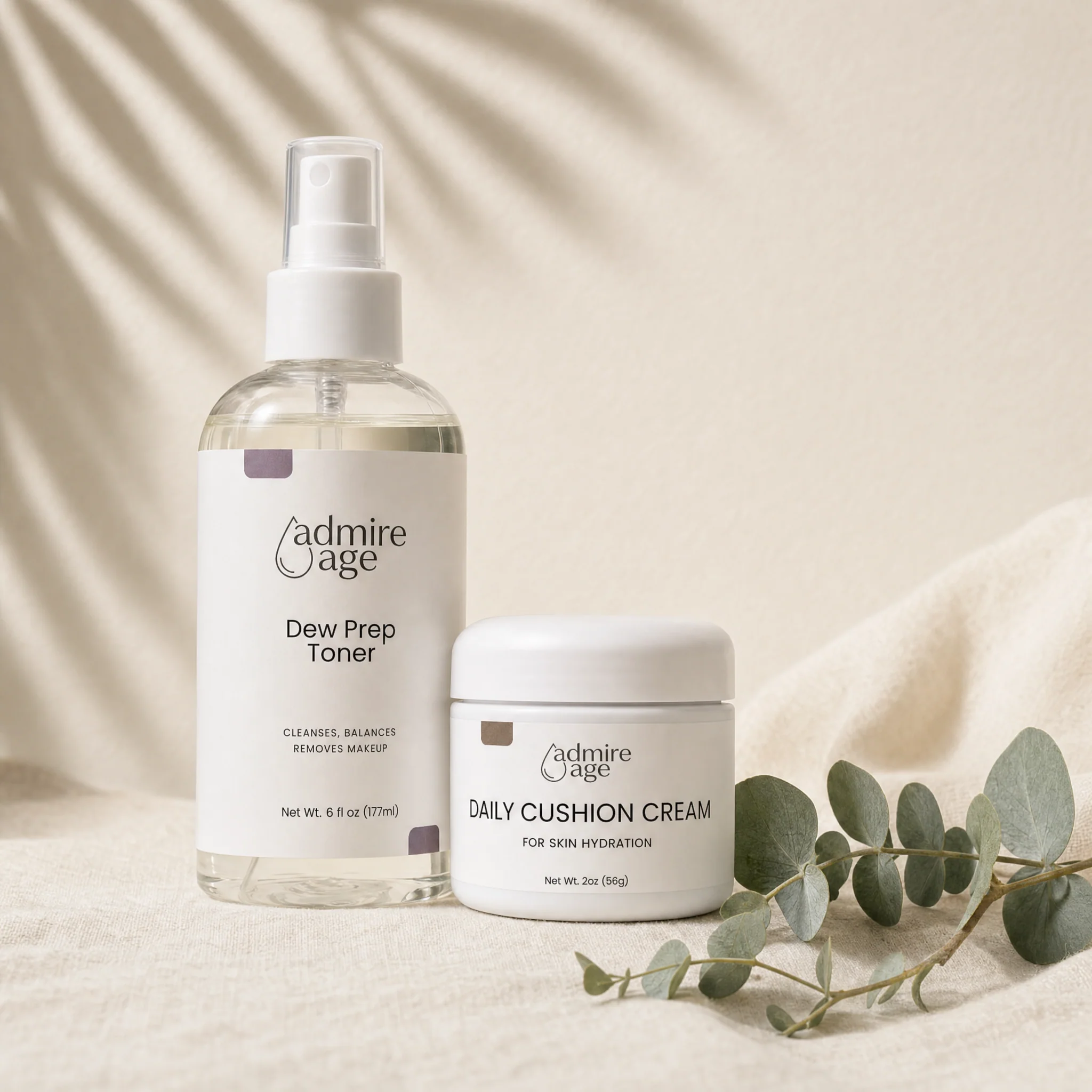
Not sure where to start?
The Simple Start Duo
Prep and moisturize — the two steps that make every other part of a simple skincare routine work better.
Common Questions & Concerns
Is Beef Tallow on My Skin Safe?
Ethical and Sustainability Considerations
What Does it Smell Like?
Is Tallow Better Than Retinol?
Can I Use it Under Makeup?
Final Thoughts: Is Beef Tallow Worth the Switch?
Ultimately, beef tallow offers compelling reasons for natural skincare lovers:
- Rich, lasting moisture for dry skin.
- Lipids that help support your skin barrier.
- A short, simple ingredient list.
If you're considering the switch, start slowly and patch test a small amount on a less sensitive area first. And a plain word on limits: tallow is skincare, not a treatment for a medical skin condition. If dryness comes with persistent itching, cracking, or redness that won't settle, that's a sign to check in with a dermatologist. With thoughtful sourcing and mindful use, grass-fed tallow can become a quiet staple in your routine; for age-specific routine questions, keep an eye on our skin care routine at 40 study preview.
Sources & further reading
- USDA FoodData Central: beef tallow nutrient and fatty-acid profile (FDC 171400)
- Picardo et al., “Sebaceous gland lipids,” Dermato-endocrinology (2009)
- Chen et al., “The stratum corneum barrier: impaired function in relation to associated lipids and proteins,” Tissue Barriers (2024)
- Russell et al., “Tallow, Rendered Animal Fat, and Its Biocompatibility With Skin: A Scoping Review,” Cureus (2024)
- Almatroud et al., “Beef Tallow-Based Skincare Claims in Social Media: A Cross-Sectional Analysis,” J. Cosmet. Dermatol. (2025)
- U.S. FDA, “FDA Authority Over Cosmetics: How Cosmetics Are Not FDA-Approved, but Are FDA-Regulated”
- “Managing Menopausal Skin Changes: A Narrative Review of Skin Quality Changes, Their Aesthetic Impact, and the Actual Role of Hormone Replacement Therapy in Improvement,” J. Cosmet. Dermatol. (2025)
- American Academy of Dermatology, “Contact dermatitis: Causes”
- Danby et al., “Effect of Olive and Sunflower Seed Oil on the Adult Skin Barrier: Implications for Neonatal Skin Care,” Pediatric Dermatology (2013)